How to Turn On iPhone Voice Isolation Before You Hit Record
Voice Isolation blocks room noise while a call or recording is happening. It does not clean a video already saved on the camera roll.
iPhone Voice Isolation changes the microphone while you are talking. It prioritizes your voice and blocks ambient noise. It does not open a video you already exported, and it does not rewrite a Voice Memo that finished before you changed the setting.
Key Takeaways
- Turn it on during the call or recording, from Control Center, under Audio & Video.
- The choice stays with that app until you pick a different mic mode.
- FaceTime and certain third-party apps need iOS 15 or later. A recording app such as Voice Memos needs iOS 26 or later. A phone call needs iOS 16.4 or later.
- A saved file needs a later edit. Voice Isolation cannot reach into it.
What Voice Isolation changes, and what it leaves alone
Apple's support article says you can block ambient noise so your voice is clearer, leave ambient noise unfiltered, or let the phone pick a mode. Voice Isolation prioritizes your voice and blocks ambient noises. Wide Spectrum leaves ambient noises unfiltered. Standard uses standard voice processing. Automatic uses the mic mode Apple considers best for that call or recording. (Apple Support: Voice Isolation, retrieved 2026-10-17.)
The selection affects only the app you are using. Mic modes persist for that app until you choose a different one. Changing FaceTime does not change Voice Memos, and changing Voice Memos does not repair a clip already in Photos.
A file that is already saved is a different job. The path for that file is how to remove background noise from video you already shot. If the noise is a Zoom, Teams, or Meet recording, start with cleaning a meeting recording. If it is a Discord call that is happening now, use Discord noise suppression on the computer, not this iPhone setting after the fact.
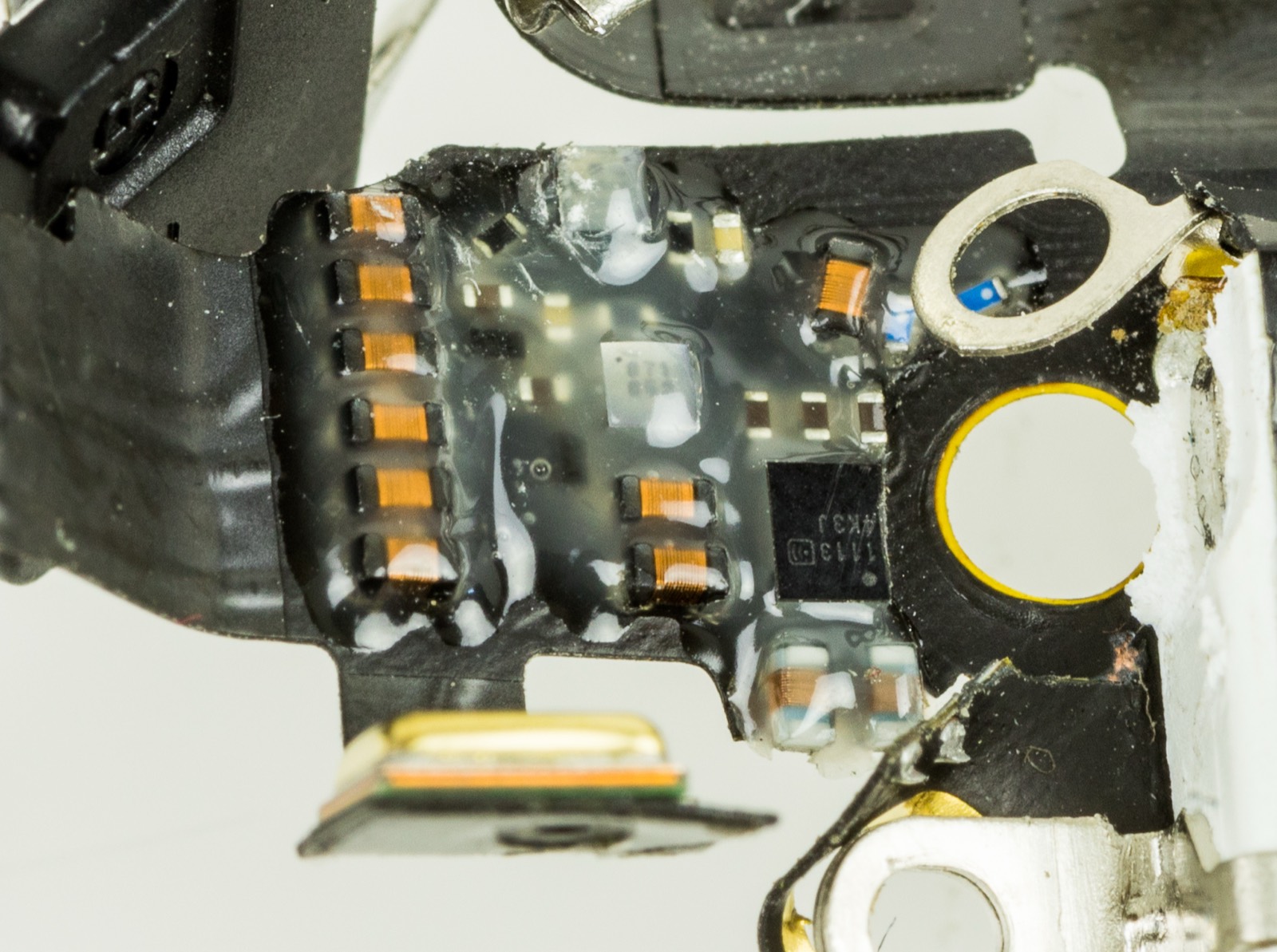
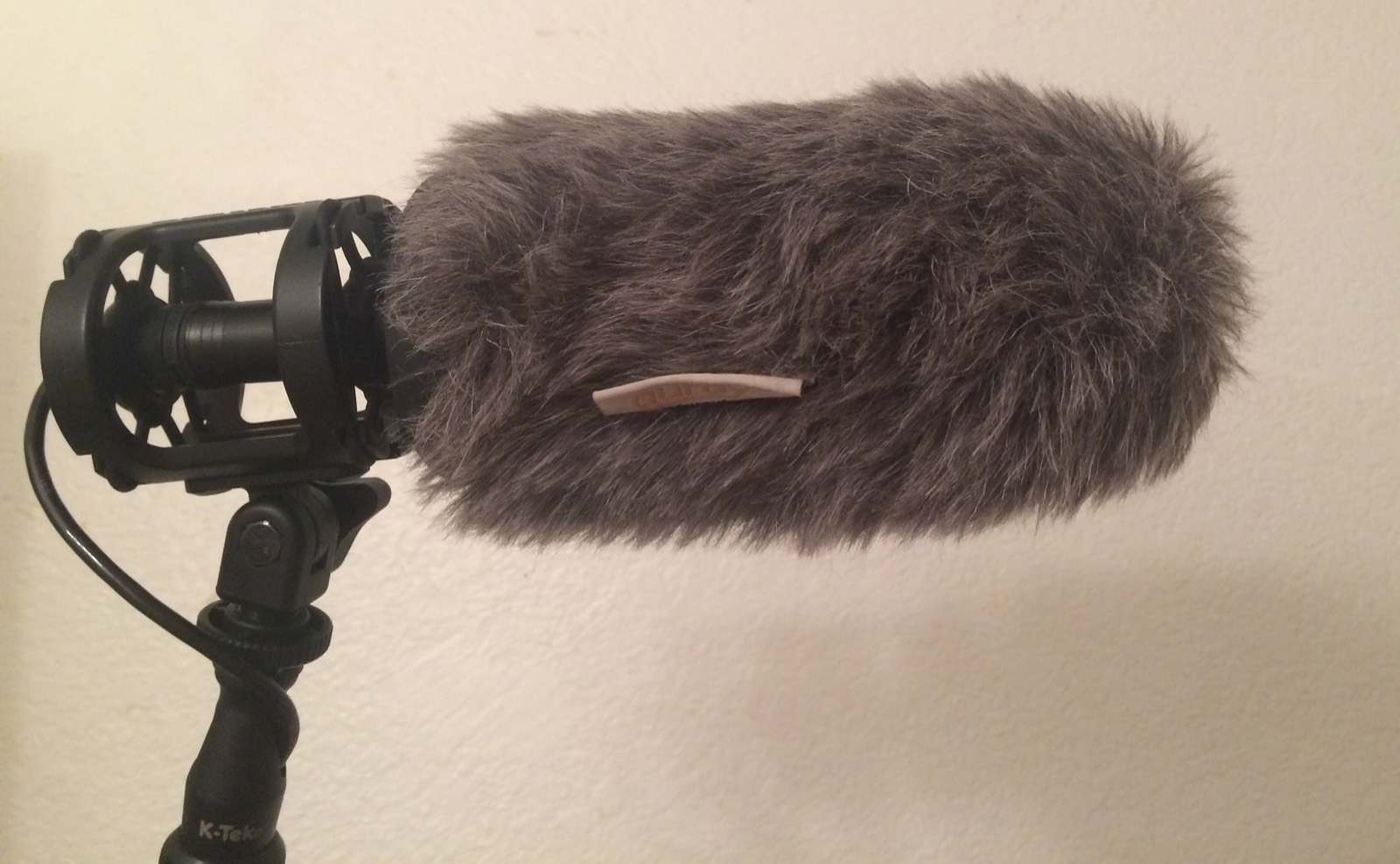
Photo: Raimond Spekking, CC BY-SA 4.0, via Wikimedia Commons.
Check the iOS version before you look for the button
Apple splits the feature by the kind of audio you are making:
- FaceTime audio or video, and certain third-party apps: iOS 15 or later for Voice Isolation or Wide Spectrum.
- An audio or video recording app such as Voice Memos, and certain third-party apps: iOS 26 or later for Voice Isolation.
- A phone call: iOS 16.4 or later. Wide Spectrum is not available on phone calls.
- Automatic Mic Mode: iOS 18 or later.
Supported phones start with iPhone XR and iPhone XS. Older phones do not get the control, even if the iOS number looks new enough. iPad support starts with iPad 8th generation, iPad Air 3rd generation, iPad mini 5th generation, and the Pro models listed in Apple's article.
If the button is missing, check the app and the system version before you assume the recording is broken.
Turn it on while the microphone is open
- Start the call or the recording. The control is not a setting you apply to a finished file.
- Swipe down from the top-right corner to open Control Center.
- Tap the app's Controls button.
- Under Audio & Video, choose Voice Isolation.
Apple's examples for Automatic are specific. During calls that use the receiver, Automatic uses Voice Isolation to block ambient noise. During speakerphone calls, Automatic uses Standard. If you want Voice Isolation on speakerphone, choose it yourself instead of leaving the phone on Automatic.
On a phone call, you will not see Wide Spectrum. That mode is for calls and recordings where you want the room left in, and Apple says it is not offered for phone calls.
In iOS 26.1 and iPadOS 26.1, supported wired microphones, including EarPods with a USB-C connector, also get an input-gain slider under Audio Input in the same Controls panel. That slider changes level. It is not a second noise filter.
What to do with a take you already have
Voice Isolation cannot reach backward. If the street, the cafe, or the office is already in the file, clean the file.
EraseNoise can play the first 30 seconds of a saved video or audio file on the video noise remover. Keep the result only if the sentence is easier to follow and the speaker still sounds like themselves. A cleaned video comes back as MP4. A cleaned audio file comes back as WAV. Files need to be under 30 minutes and 500 MB.
Steady hiss and hum are the sounds a noise profile handles well. The Audacity steps are in how to remove background noise in Audacity. A gust that rumbles under the words is a different problem, covered in removing wind noise from video. Room echo that rings after each word belongs on echo removal, not on a louder Voice Isolation setting for a take that is already finished.
Open this page before the next recording
Use this page when the iPhone microphone is still open and you want the room quieter on the way in. If the bad take is already on the camera roll, leave this page. Voice Isolation will not edit it. Preview that file on the EraseNoise video noise remover, then turn Voice Isolation on before you record the next one.
Frequently asked questions
Does iPhone Voice Isolation remove noise from an old video?
No. Apple documents it as a mic mode during a call or recording. It prioritizes your voice and blocks ambient noise while that session is happening. A saved video needs a separate edit. (Apple Support: Voice Isolation, retrieved 2026-10-17.)
Why is Voice Isolation missing in Voice Memos?
Recording apps need iOS 26 or later. FaceTime can show the same control on iOS 15 or later, and phone calls can show it on iOS 16.4 or later. The phone also has to be an iPhone XR, an iPhone XS, or a later model. If the app or the phone is older than that list, the button is not there.
Does the setting stay on for every app?
No. Apple says the selection affects only the app you are using, and it stays with that app until you choose a different mic mode. Check Control Center inside the app you are about to record with.