Best Mic for Vlogging in Noisy Places (and When Software Is Enough)
Choose a vlogging mic for streets, cafes, and crowds: why a clip-on wireless mic beats a shotgun in noise, which features matter, and when a phone mic plus cleanup is enough.
For vlogging in noisy places, a wireless lavalier clipped near your mouth beats a camera-top shotgun, because distance matters more than the mic's price. A mic a hand's width from your mouth hears you far louder than the street; a mic on the camera, at arm's length, hears you and the street at almost the same level.
That's the whole buying guide in one sentence. The rest of this article helps you pick the type, the features worth paying for, and the point where a mic stops being the bottleneck. If you've already filmed something noisy, you can check what software can recover with the free 30-second preview in the EraseNoise video noise remover.
Key Takeaways
- In a noisy place, how close the mic is to your mouth matters more than the mic itself. Each halving of the distance makes your voice about 6 dB louder against the background.
- A wireless clip-on (lavalier) kit is the best all-round choice for walking vlogs, cafes, and talking to people on the street.
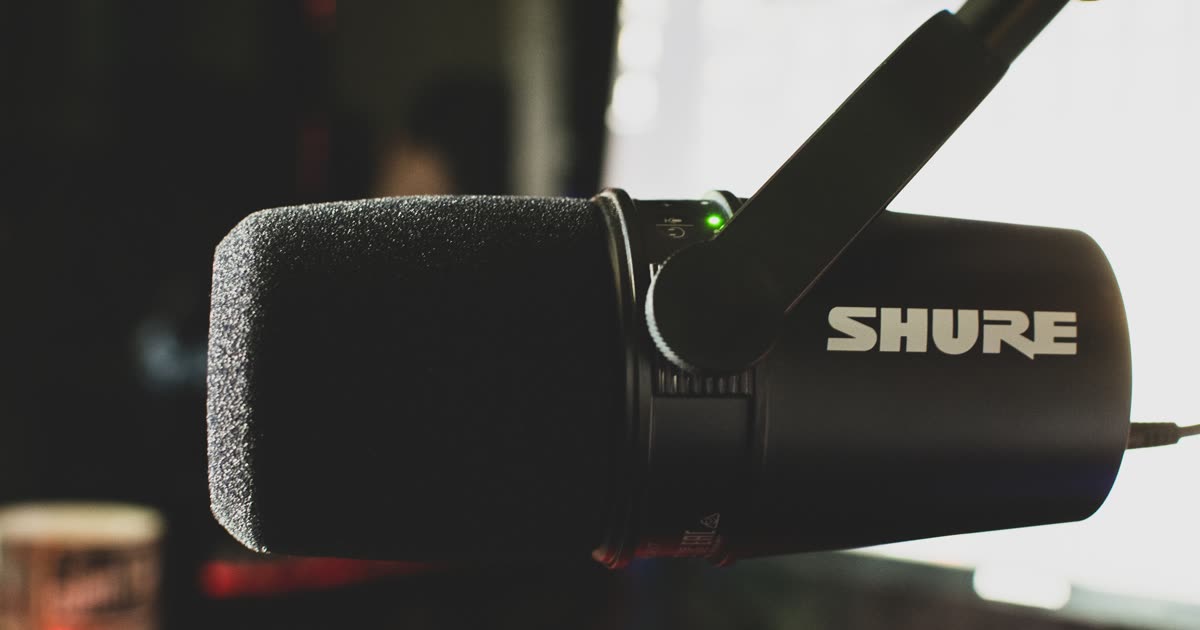
- An on-camera shotgun is simpler and never runs out of battery separately, but it's at arm's length, so it hears more of the scene.
- Features worth having: a furry windscreen, on-board backup recording, and a noise cancelling switch you can turn off.
What matters in a noisy place
Rank these in order, and you'll pick well whatever your budget:
- Distance to your mouth. Sound from a source falls by about 6 dB each time the distance doubles, the inverse square law (HyperPhysics, Inverse Square Law for sound, retrieved 2026-10-26). The background around you doesn't fall the same way, because it comes from everywhere. Moving the mic from 60 cm to 15 cm, arm's length to collar, makes your voice about 12 dB louder against the street.
- Pickup pattern. A shotgun or supercardioid mic hears less from the sides and back. That helps on camera, but it can't beat a mic that's simply closer.
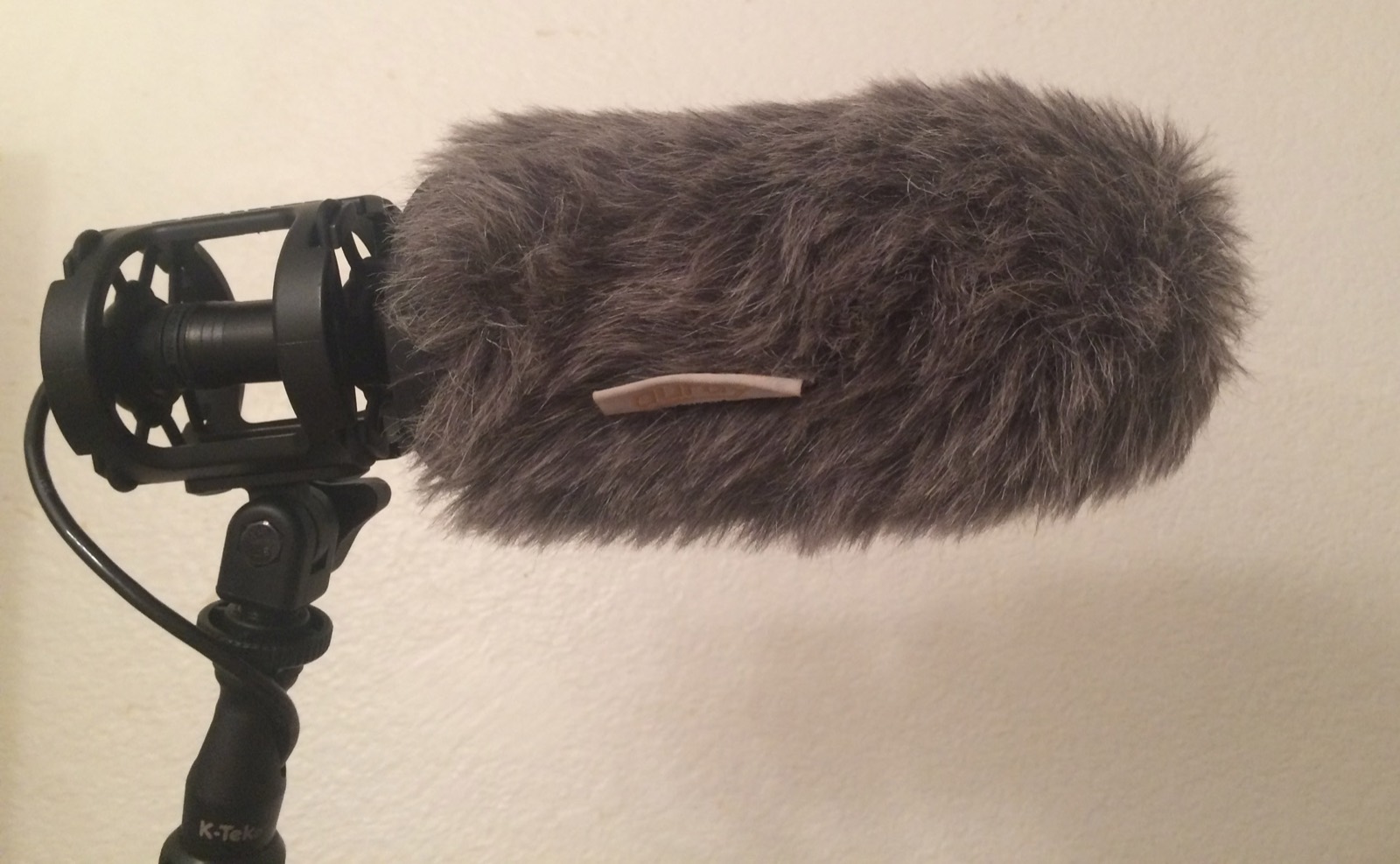
- Wind protection. Outdoors, wind is usually the worst noise. A furry windscreen does more than any setting.
- A noise cancelling switch. Useful in loud, steady places. It can't be undone, so it should be easy to turn off.
- Price. A cheap clip-on near your mouth will usually sound cleaner in a cafe than an expensive shotgun on the camera.
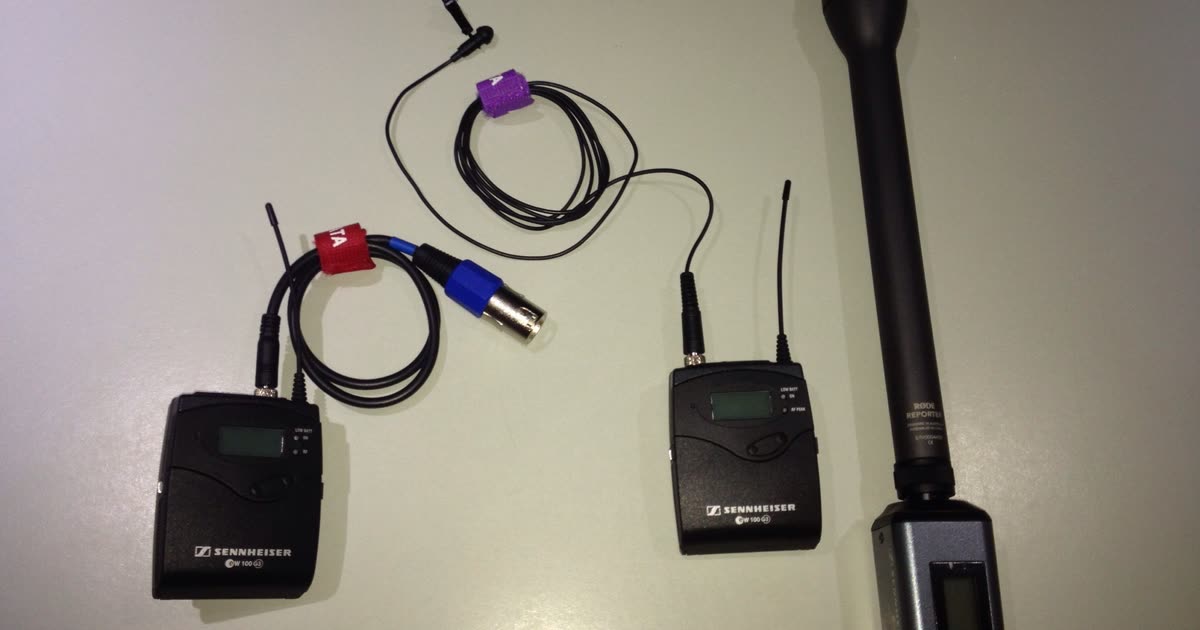
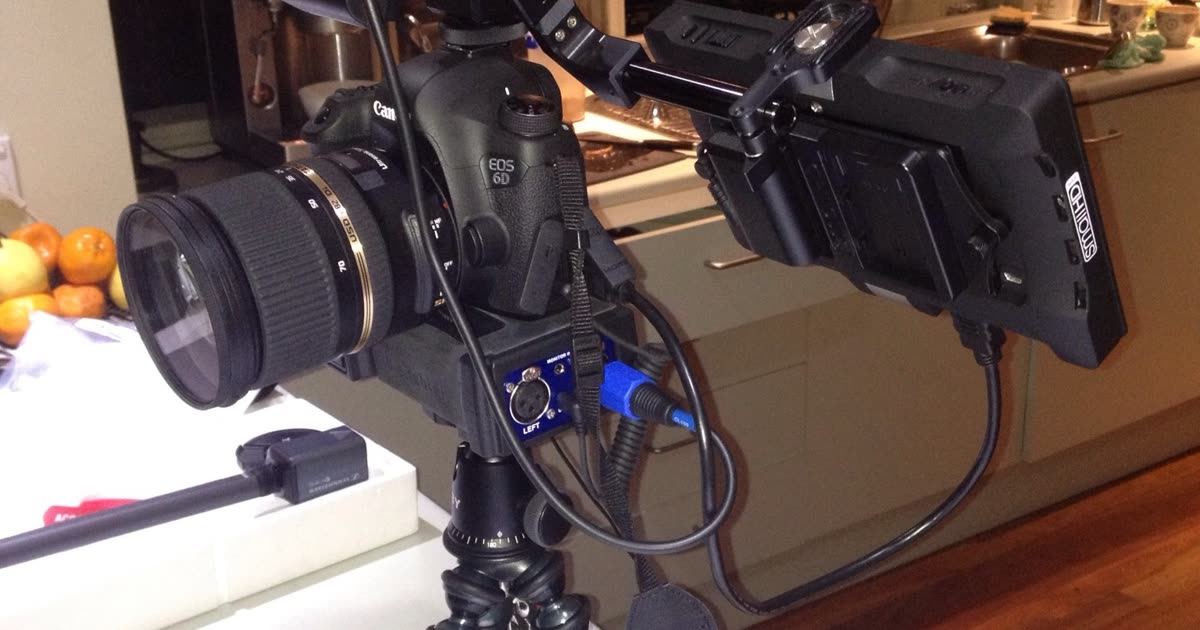
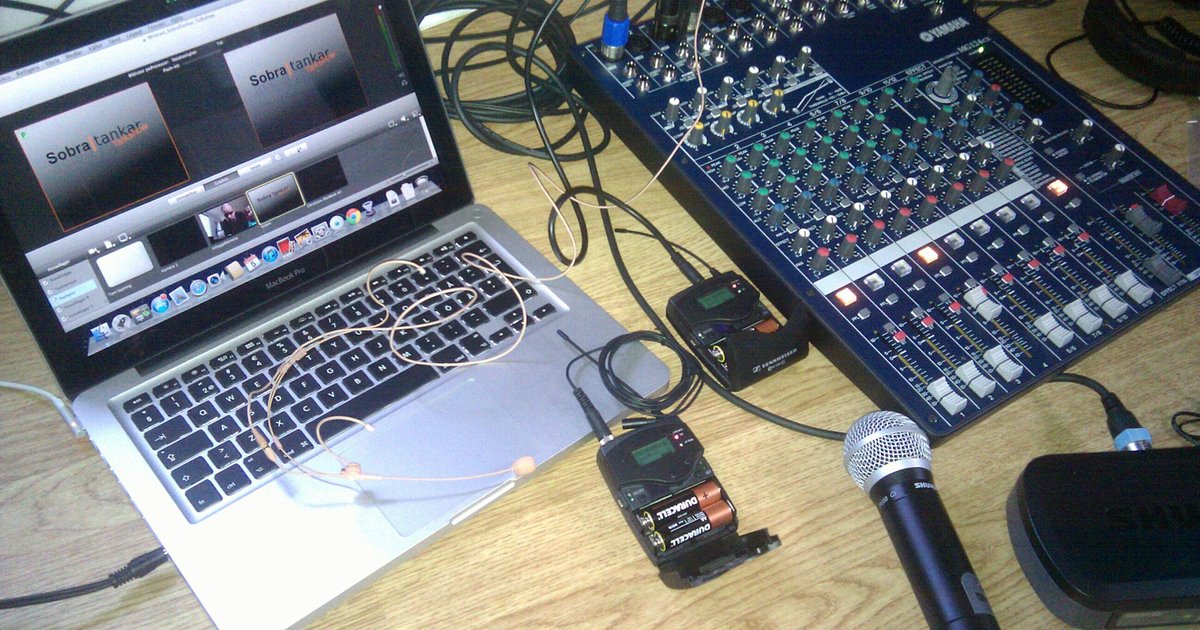
Photo: Stephan Ridgway, CC BY 2.0, via Wikimedia Commons.
Mic types compared
| Type | Distance to your mouth | Good in | Weak spots |
|---|---|---|---|
| Wireless clip-on (lavalier) kit | 15–25 cm | Walking vlogs, cafes, street interviews, cars | Batteries to charge, clothing rustle, a receiver to mount |
| On-camera shotgun | Arm's length, 50–70 cm | Static shots, travel B-roll, quick setups | Hears more of the scene, worse when you turn your head |
| Phone or camera built-in mic | Arm's length, often omnidirectional | Quiet rooms, nothing else to hand | Hears everything around you equally |
| Handheld reporter mic | 10–20 cm | Interviewing strangers on the street | You need a hand free, and it shows in shot |
Picks by situation
These are examples of each type, chosen for features that matter in noise. Specs are from the makers' pages; check current prices yourself.
City walks and cafes: a wireless clip-on kit
- DJI Mic 2. Noise cancelling you toggle with one press of the transmitter's power button, a 100 Hz low-cut setting, and 8 GB of on-board recording per transmitter in 24-bit or 32-bit float (DJI Mic 2 user manual, retrieved 2026-10-26).
- DJI Mic Mini. Smaller and lighter, with strong and basic noise cancelling levels, but no on-board recording (DJI Mic Mini FAQ, retrieved 2026-10-26).
- RØDE Wireless GO (Gen 3). 32-bit float on-board recording on each transmitter, so a clipped or quiet take can be recovered, and GainAssist automatic level control (RØDE, retrieved 2026-10-26).
Our DJI Mic noise cancellation guide explains which DJI models have which settings.
Static shots and travel: an on-camera shotgun
- RØDE VideoMic GO II. A supercardioid pattern and 33 g for the mic alone, per RØDE's datasheet (RØDE VideoMic GO II datasheet, retrieved 2026-10-26).
- Sennheiser MKE 200. A super-cardioid capsule with a built-in wind screen and shock mount (Sennheiser, retrieved 2026-10-26).
Street interviews
A two-transmitter wireless kit, one on you and one on the guest, keeps both voices close to their own mics. A handheld reporter mic is the alternative if you don't want to clip something on a stranger.
Cycling, boats, and windy hilltops
Any clip-on, worn under a layer of clothing with its furry windscreen on. The fabric acts as an extra wind barrier; tap-test for rustle before you start.
Settings that matter
- Gain: set it so your loudest laugh doesn't clip. With 32-bit float on-board recording, clipping can be recovered from the backup file; from the camera's own track, it can't.
- Noise cancelling: on in loud, steady places, off in quiet rooms. It's baked in, so test ten seconds both ways first.
- Low cut: a good default outdoors and in cars. On the DJI Mic 2 it filters out 100 Hz and below.
- Safety track: if your receiver has one, use it. On the DJI Mic 2, the right channel records 6 dB lower to protect against clipping.
When software is enough
Sometimes the mic you already have is fine, and the cleanup can happen afterward. Software does well on steady noise and badly on other voices, and our sample library shows exactly where that line falls.
We ran real noisy recordings from the Microsoft DNS Challenge test set through EraseNoise without hand edits and scored them with DNSMOS overall quality (1 to 5):| Noise in the recording | Before | After | Verdict |
|---|---|---|---|
| Street | 1.62 | 3.28 | Software is enough |
| Traffic | 2.22 | 3.33 | Software is enough |
| Distant fan | 1.52 | 3.56 | Software is enough |
| People laughing nearby | 1.72 | 2.86 | Background lower, voice less natural |
| Someone yelling nearby | 2.16 | 2.79 | Background lower, voice less natural |
Play any of them, original and cleaned, on the noise removal examples page.
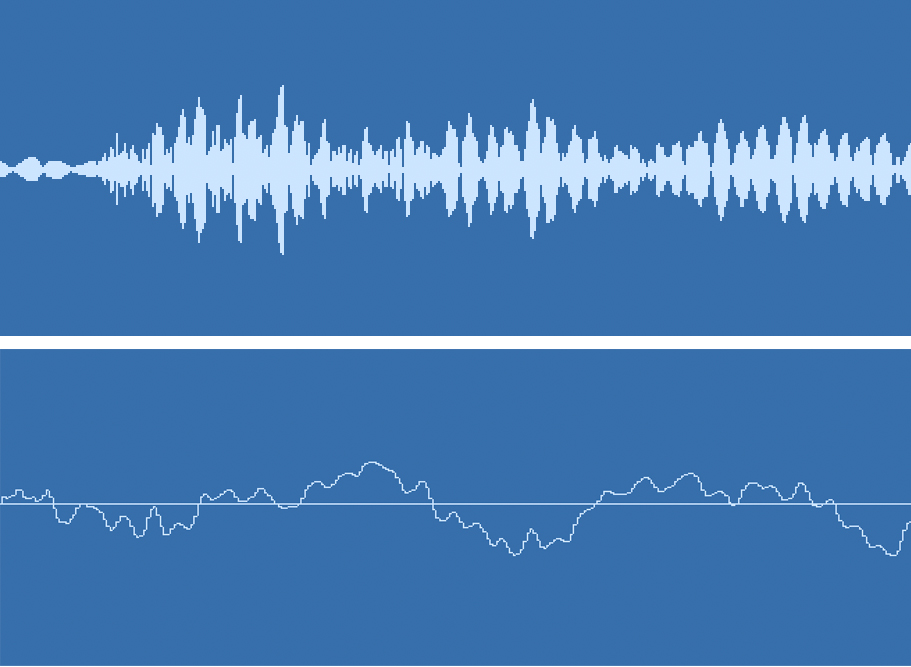
Street, original
Street, cleaned
So, if you mostly film in quiet rooms or with steady background noise, your phone plus a cleanup pass may be all you need. If you film where other people talk, such as cafes, markets, and events, buy a clip-on mic. No software can reliably tell your voice from the person at the next table, but a mic near your mouth already has.
To test your own footage, upload a clip to the video noise remover and compare a free 30-second preview. The picture isn't re-encoded, and you get 3 previews a day without an account.
Next step
Shooting talking-head videos at a desk instead? A dynamic desk mic is a different decision, covered in best microphone for YouTube if your room is noisy. For scene-by-scene fixes, see the vlogger's guide to clean audio.
Frequently asked questions
What mic do vloggers use?
Most use a wireless clip-on kit for talking to camera while moving, and an on-camera shotgun for static shots. The clip-on wins in noisy places because it sits a hand's width from the mouth.
Is a wireless mic worth it for vlogging?
Yes, if you film outside or in public places. Moving the mic from arm's length to your collar makes your voice about 12 dB louder against the background, which is more than any setting can do.
Do I need a mic if I vlog on my phone?
Not in quiet places or with steady noise like traffic, which cleans up well afterward. If you film in cafes, crowds, or wind, a clip-on mic that plugs into your phone or a phone receiver makes a bigger difference than any app.
Lavalier or shotgun for vlogging?
A lavalier for walking, talking, and noisy places, because it's closer to your mouth. A shotgun for static shots and quick setups where you don't want to wear anything.
Sources
- HyperPhysics, Inverse Square Law, Sound, retrieved 2026-10-26.
- DJI, DJI Mic 2 user manual, retrieved 2026-10-26.
- DJI, DJI Mic Mini FAQ, retrieved 2026-10-26.
- RØDE, Wireless GO (Gen 3), retrieved 2026-10-26.
- RØDE, VideoMic GO II datasheet, retrieved 2026-10-26.
- Sennheiser, MKE 200, retrieved 2026-10-26.
- Microsoft, DNS Challenge test set, source of the sample recordings, retrieved 2026-10-26.