Best Microphone for YouTube If Your Room Is Noisy
Why a dynamic mic close to your mouth beats a condenser in a noisy room, USB vs XLR for a first setup, picks by room, and how to clean a recording you've already made.
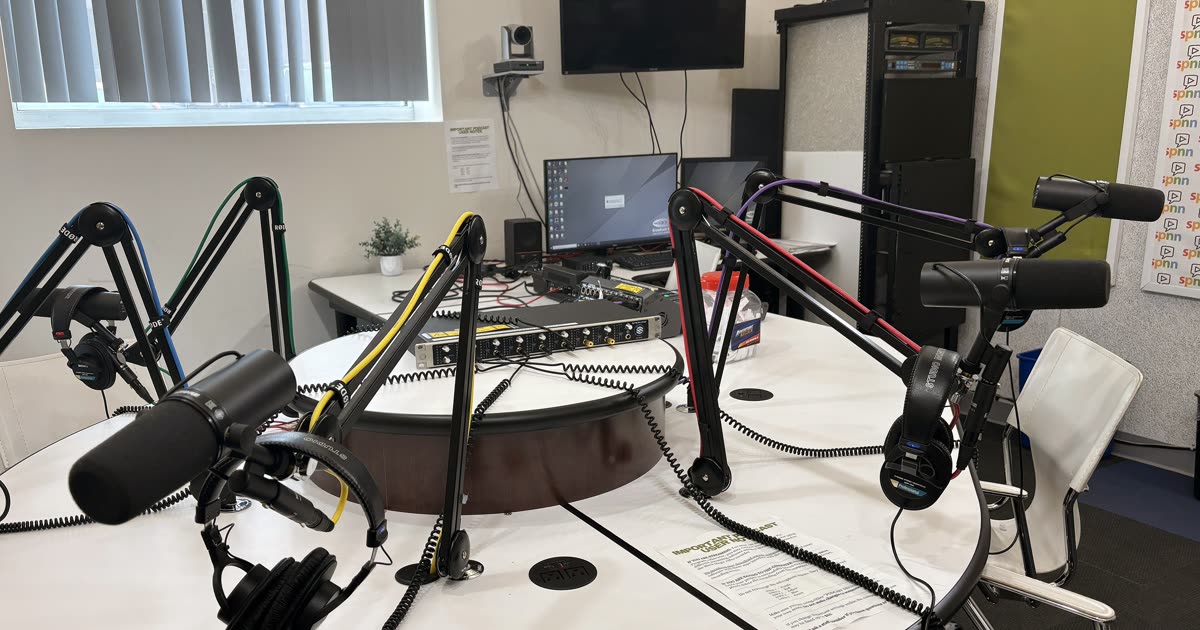
In a noisy room, a dynamic mic close to your mouth picks up less of the room than a condenser, so it usually sounds cleaner even when it costs less. Most "best YouTube mic" lists start with sound quality in a quiet studio. If your room has a fan, a road outside, or bare walls, the question is different: which mic hears the least of everything that isn't you?
This guide answers that, then covers placement, which matters more than the model. If you've already recorded and the room is in it, you can hear what cleanup does with the free 30-second preview in the EraseNoise background noise remover.
Key Takeaways
- Dynamic mics have a much lower output than condensers, so you have to talk close to them, and the room ends up far quieter by comparison. Shure says its SM7B needs a preamp with at least 60 dB of gain for that reason.
- Condenser mics capture more detail and more room. They shine in a quiet, treated space and struggle in an untreated one.
- Placement beats price: 5–10 cm from your mouth, the back of the mic aimed at the noise, and away from the computer.
- For a first setup, a dynamic mic with both USB and XLR lets you start on USB and move to an interface later.
Dynamic vs condenser in a noisy room
| Dynamic | Condenser | |
|---|---|---|
| Output | Low; needs close talking and plenty of gain | High; picks up quiet sounds easily |
| What it hears in an untreated room | Mostly your voice, a little room | Your voice, the room's echo, the fan, the street |
| Best distance | 5–10 cm | 15–30 cm |
| Best for | Bedrooms, offices, rooms with noise or echo | Quiet, treated rooms; voice with detail and air |
| Common examples | Shure SM7B, Shure MV7+, RØDE PodMic USB | Most USB "studio" mics and large-diaphragm XLR mics |
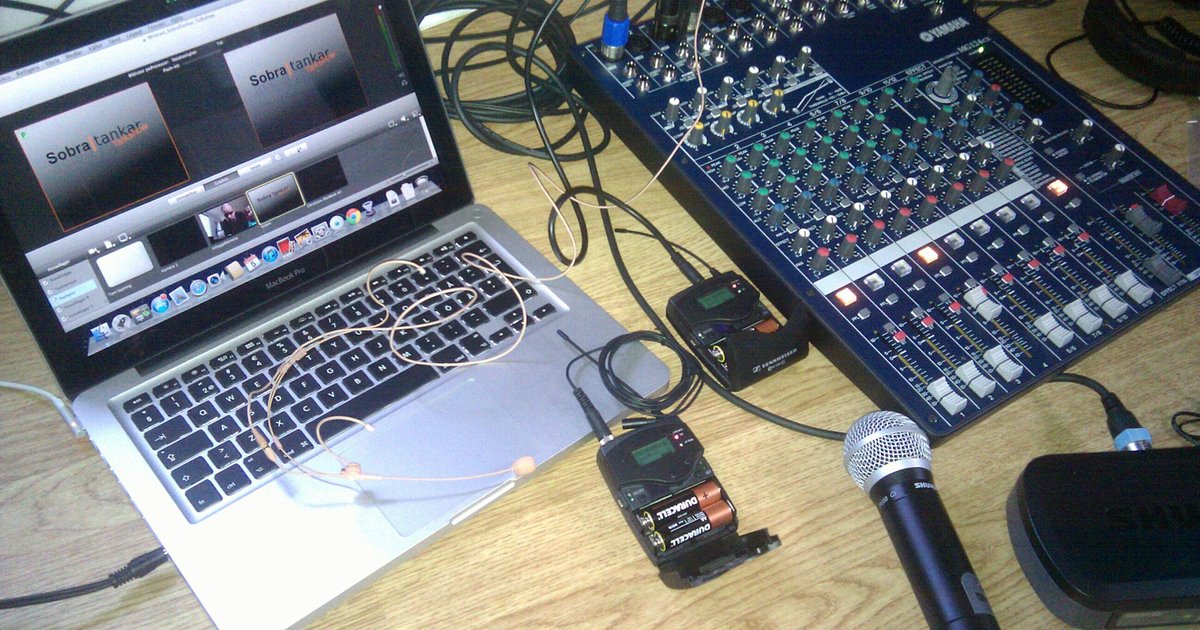
The reason is output level. Shure notes that many modern preamps assume a condenser with a "hot" output and offer only 40 to 50 dB of gain, while its dynamic SM7B needs at least 60 dB (Shure SM7B FAQ, retrieved 2026-10-26). Because a dynamic mic is so much less sensitive, you speak right into it and turn the gain up for your voice alone. The fan across the room is now much farther away than your mouth, and sound falls by about 6 dB every time the distance doubles (HyperPhysics, retrieved 2026-10-26).
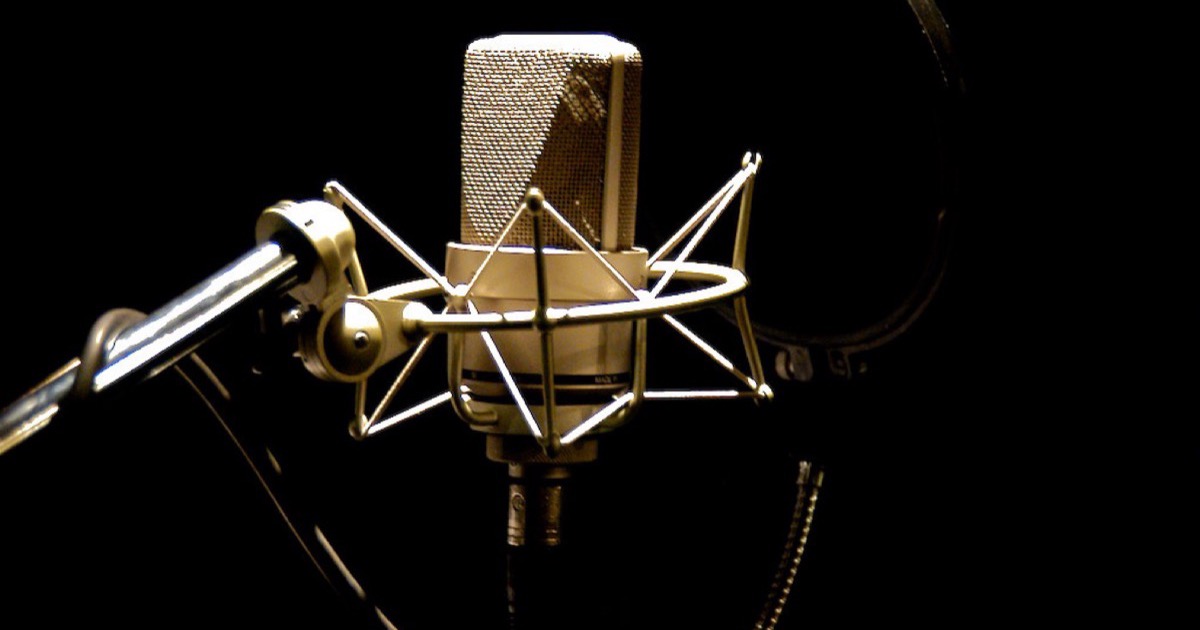
A condenser can hear the room just as well as it hears you. That's great in a treated studio and a problem in a bedroom.
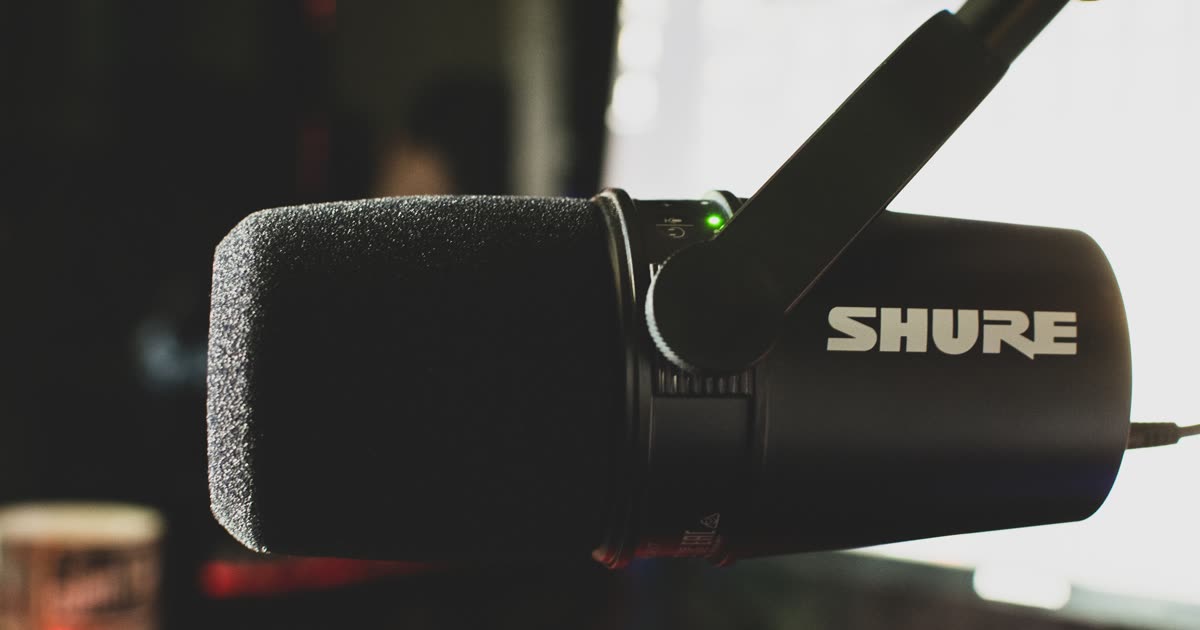
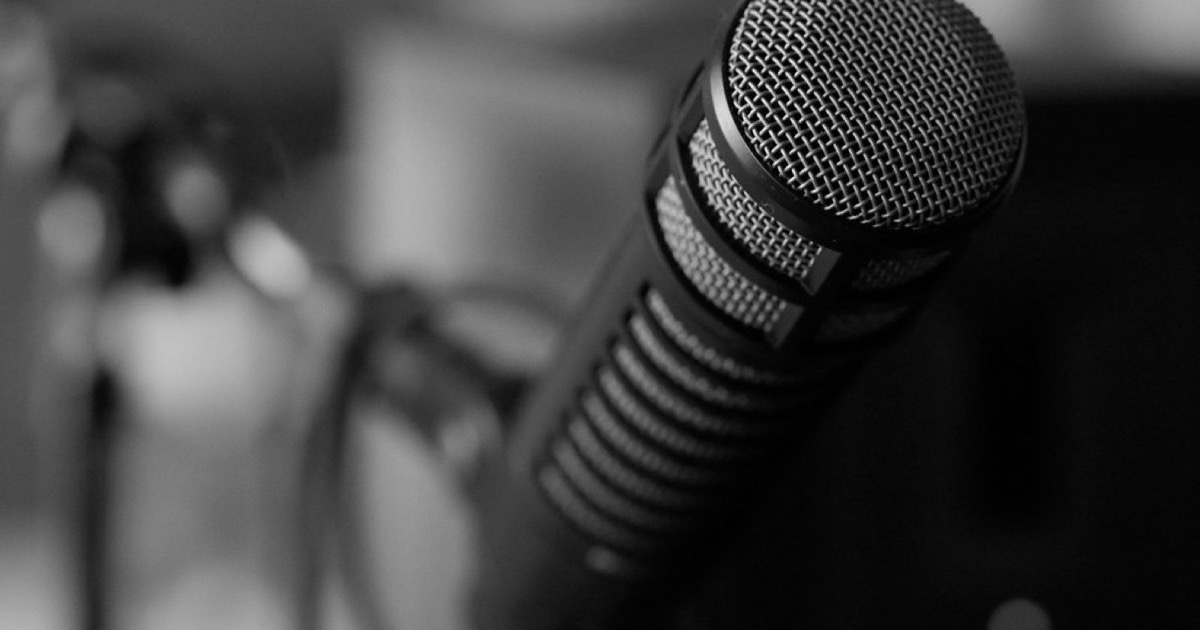
Photo: Panos Sakalakis, CC BY 2.0, via Wikimedia Commons.
USB vs XLR for a first setup
| USB | XLR | |
|---|---|---|
| What you need | The mic and a cable | The mic, an audio interface, and an XLR cable |
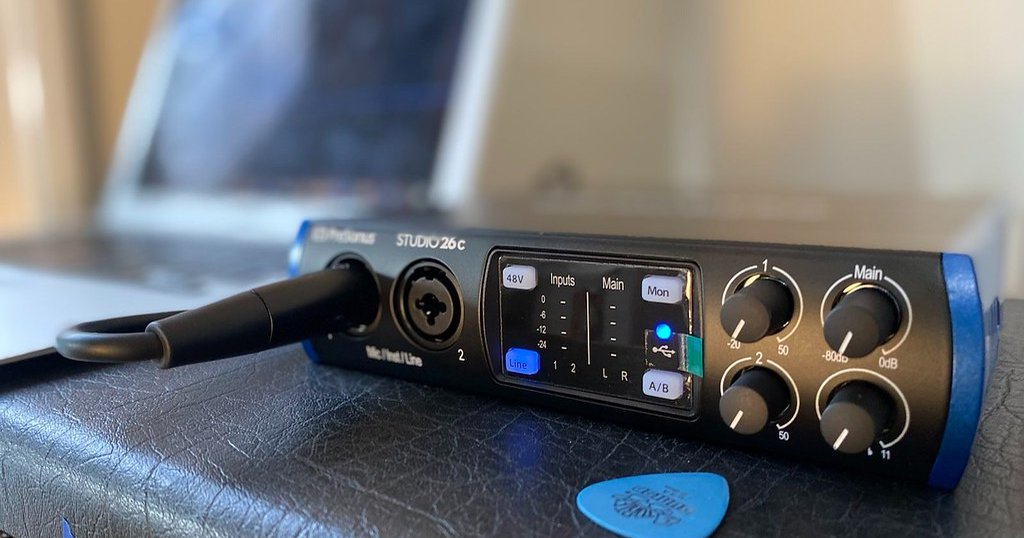
| Gain | Built into the mic | From the interface; a low-output dynamic may need an inline booster |
| Upgrade path | Replace the mic | Swap the mic or the interface separately |
A mic with both outputs avoids the choice. The Shure MV7+ is a dynamic cardioid with USB-C and XLR, and Shure's MOTIV app adds a real-time denoiser and a pop filter on the USB side (Full Compass, Shure MV7+ listing, retrieved 2026-10-26). The RØDE PodMic USB is also a dynamic mic with USB and XLR, with an internal pop filter and shock mount (RØDE PodMic USB datasheet, retrieved 2026-10-26).
Picks by room
These are examples of the type that suits each room. Specs are from the makers or their retailers' spec sheets; check current prices yourself.
A quiet, furnished room
Any good cardioid condenser will sound detailed here, and so will a dynamic. If the room has carpet, curtains, and a sofa, and no fan or traffic, this is the one case where a condenser's extra detail comes through without the room.
A room with echo
Bare walls, a hard floor, little furniture. Choose a dynamic and talk close: it hears far less of the reflections. Add soft things where you can, like a rug, curtains, or a duvet behind the camera. For echo already in a recording, see the echo remover.
A room with a fan, AC, or a road outside
Choose a dynamic, aim its back at the noise, and talk from 5–10 cm. The Shure SM7B, MV7+, and RØDE PodMic USB are all dynamic designs built for close speech. The SM7B is XLR-only and needs that 60 dB of clean gain, so budget for an interface with enough gain or an inline booster.
Recording on camera, not at a desk
If the mic has to stay out of shot, a clip-on mic is the closer option. Our best mic for vlogging in noisy places covers clip-on and on-camera mics.
Placement matters more than the model
- Distance: 5–10 cm for a dynamic, about a fist's width. Each halving of the distance gives your voice about 6 dB over the room.
- Aim: a cardioid mic hears least from directly behind. Point the back at the fan, the window, or the keyboard.
- Pop filter: close talking causes plosives. Use a foam cover or a pop screen, or speak slightly across the mic.
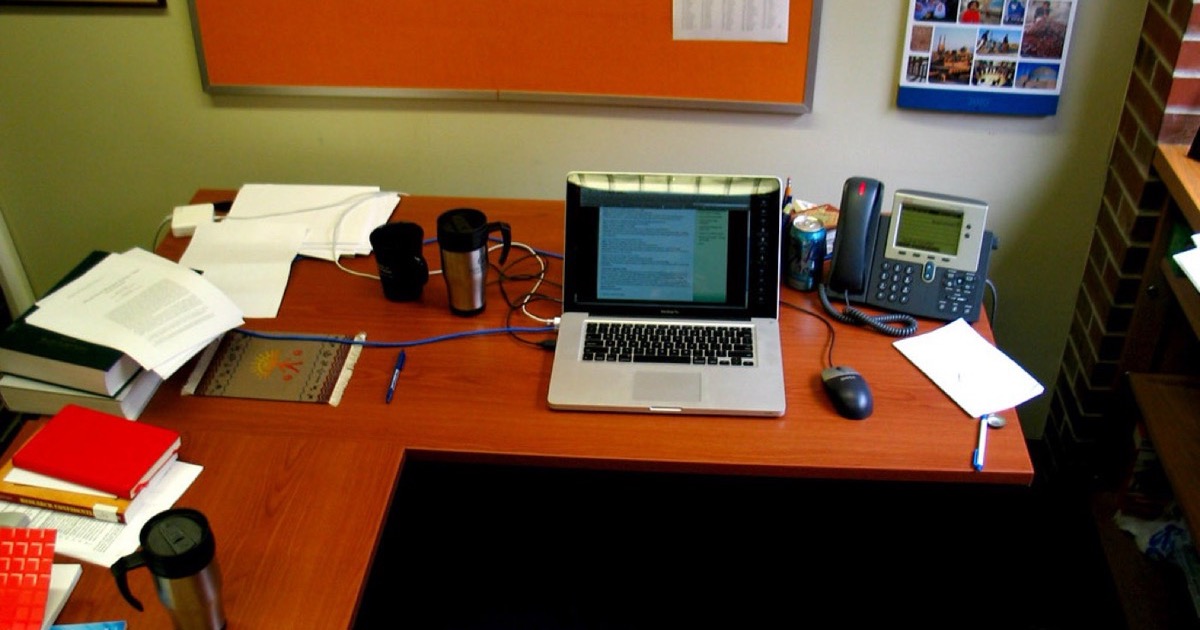
- Away from the computer: a PC fan a meter from the mic is a constant hum. Move the mic, or the PC under the desk.
- Boom arm or shock mount: desk knocks and typing travel up a desk stand into the mic.
Already recorded? Clean it afterward
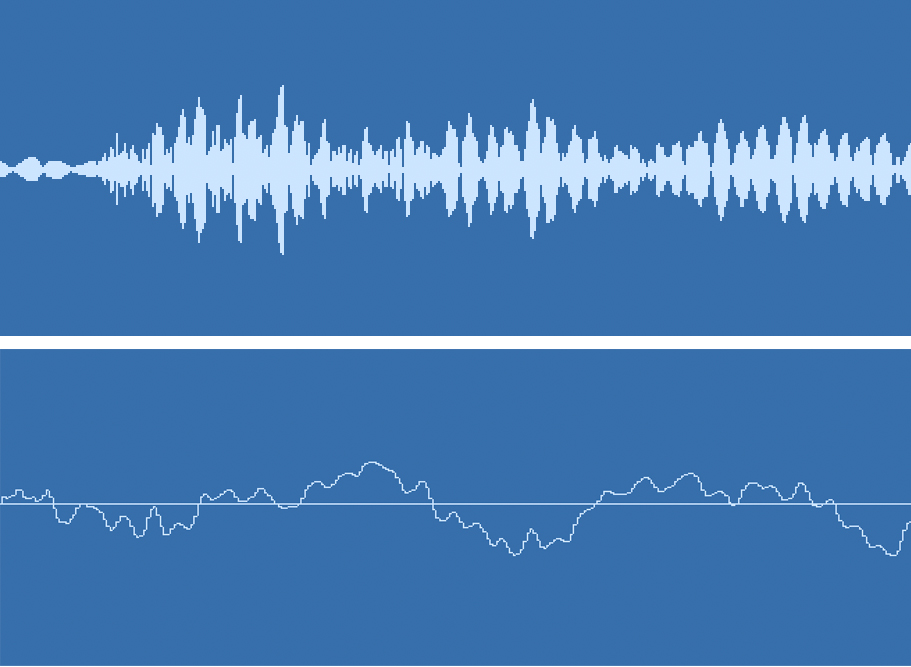
Steady room noise, like a fan, AC, or distant traffic, cleans up well after the fact. In our sample library, a voice with a distant fan went from 1.52 to 3.56 on DNSMOS overall quality (1 to 5), and voice naturalness from 0.82 to 4.56. The same recording, before and after:
Distant fan, original
Distant fan, cleaned
- Upload the recording to the EraseNoise background noise remover, or the video to the video noise remover, which keeps the picture.
- Play the free 30-second preview; 3 a day need no account.
- Lower the strength if the voice starts to sound thin.
- Download the WAV or MP4. Full files use paid minutes, and uploads are deleted after 24 hours.
What software won't fix well: typing under your words and other people talking. Our keyboard noise guide shows why.
Next step
Mic sorted? Our YouTube audio quality guide covers the other three problems in a home studio, echo, fans, and uneven volume, and the order to fix them in. When the voice is clean, set the level with the free normalize audio tool.
Frequently asked questions
What mic do most YouTubers use?
For talking-head videos at a desk, many use a dynamic broadcast mic on a boom arm, such as a Shure SM7B or MV7, or a USB condenser. For videos filmed on the move, a clip-on wireless mic is more common.
Is a dynamic mic better for a noisy room?
Usually, yes. A dynamic mic has a lower output, so you talk close to it and set the gain for your voice. The room, the fan, and the street end up much quieter in the recording than with a condenser at the same distance.
USB or XLR for YouTube?
USB for a simple first setup; XLR if you want to upgrade parts separately or already own an interface. A mic with both, like the Shure MV7+ or RØDE PodMic USB, lets you start on USB and switch later.
Can I fix a noisy recording instead of buying a new mic?
Steady noise, yes: fans, AC, and distant traffic lower well afterward. Typing under your words, other people talking, and strong echo are harder. A dynamic mic placed close prevents most of it.
Sources
- Shure, SM7B product page and FAQ, retrieved 2026-10-26.
- Full Compass, Shure MV7+ listing, retrieved 2026-10-26.
- RØDE, PodMic USB datasheet, retrieved 2026-10-26.
- HyperPhysics, Inverse Square Law, Sound, retrieved 2026-10-26.
- Microsoft, DNS Challenge test set, source of the fan recording, retrieved 2026-10-26.